3 Phase vs Single Phase PDU for Server Racks
How to calculate power capacity and decide between single- and three-phase distribution.
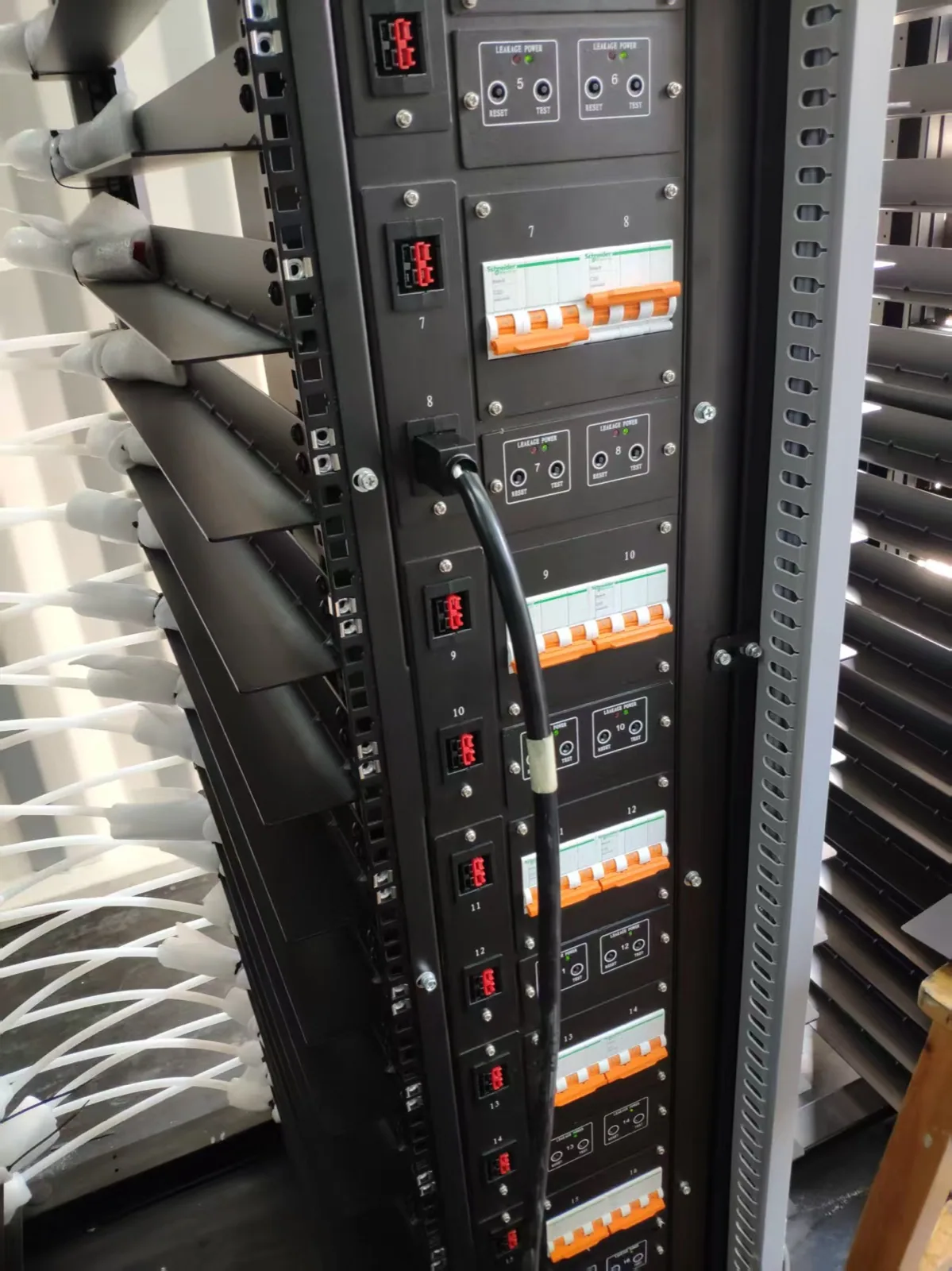
As rack densities climb, single-phase distribution runs out of headroom. Three-phase PDUs carry far more power per input while keeping cabling and breaker counts manageable. Here is how to decide.
Calculating capacity
Single-phase capacity is simply voltage × current (e.g. 230V × 32A ≈ 7.3 kW). Three-phase capacity depends on the wiring: for a 400V 3-phase 32A supply, usable power is roughly 1.732 × 400 × 32 ≈ 22 kW. That's three times the power from one inlet and one cable.
Always derate to 80% for continuous load and balance the connected equipment across phases so no single phase is overloaded.
When single-phase is enough
For enterprise racks up to ~7–11 kW, single-phase 16A/32A is simpler and cheaper, and integrates cleanly with existing single-phase distribution boards.
When to go three-phase
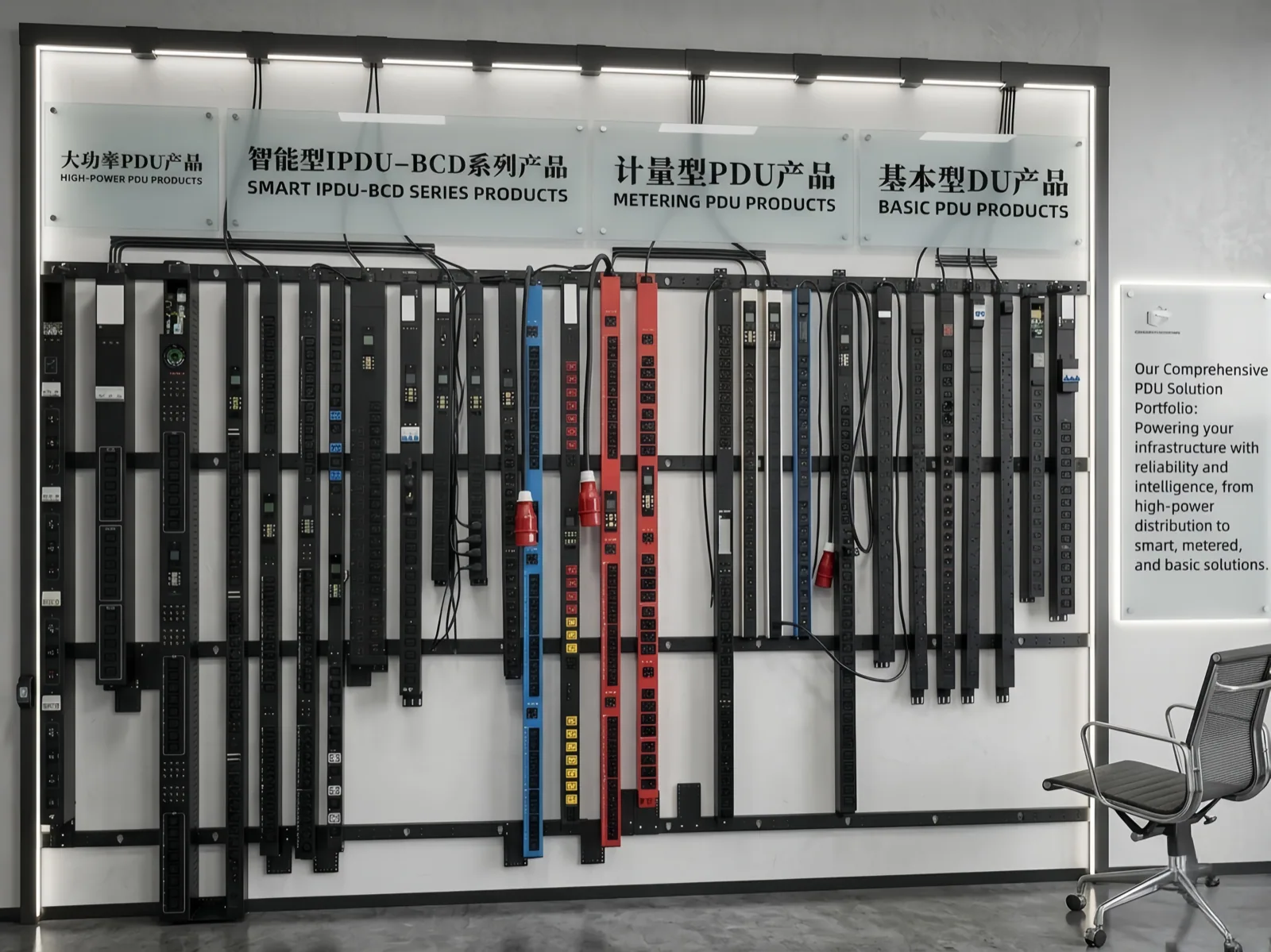
High-density virtualization, GPU and AI compute racks routinely exceed 15 kW. Three-phase distribution reduces the number of PDUs and cables, spreads load evenly, and future-proofs the rack for higher density. Yiestar offers 32A/63A three-phase and high-power PDUs up to 3×250A for these workloads.