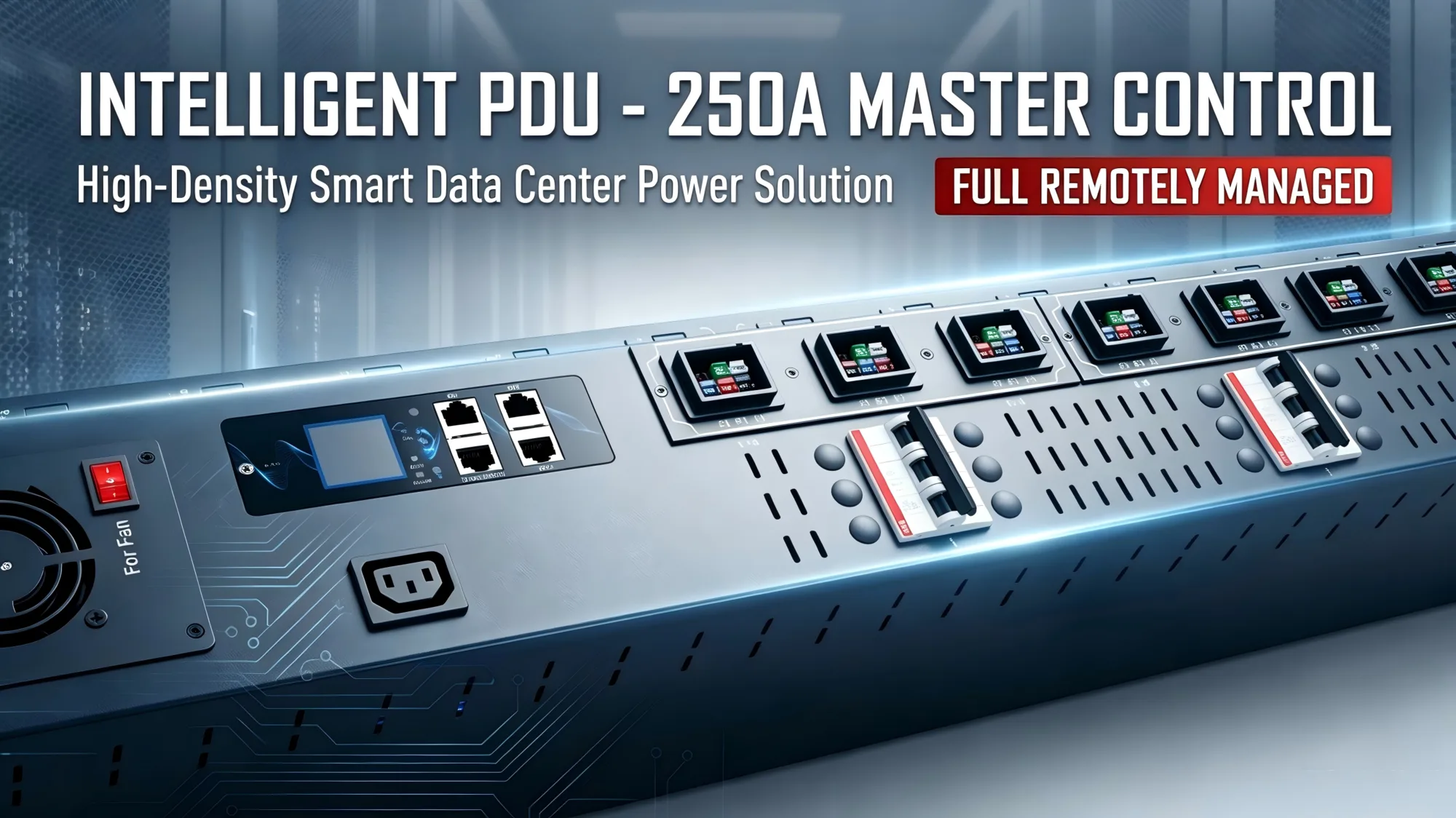
Difference Between Monitored and Switched PDU
Metering, monitoring and remote switching explained — and when each capability pays for itself.
"Monitored" and "Switched" describe two different intelligent-PDU capabilities that are often confused. Understanding the distinction helps you avoid paying for features you won't use — or under-specifying and losing critical control.
Monitored (Smart) PDU
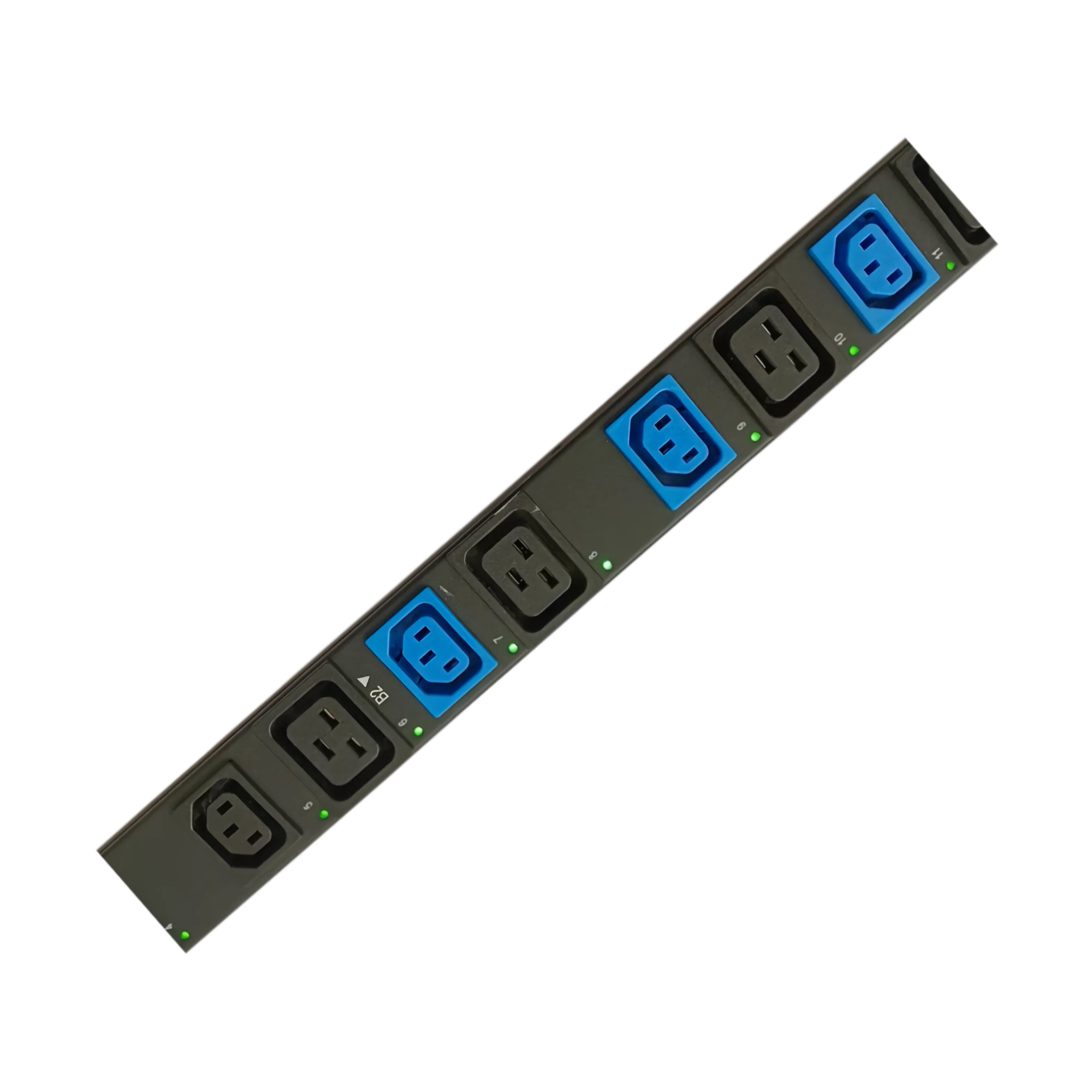
A monitored PDU measures power at the outlet level — voltage, current, power, energy and power factor for each socket. It gives you the visibility to balance loads, plan capacity and detect problems early, but it does not switch outlets on or off remotely.
Switched PDU
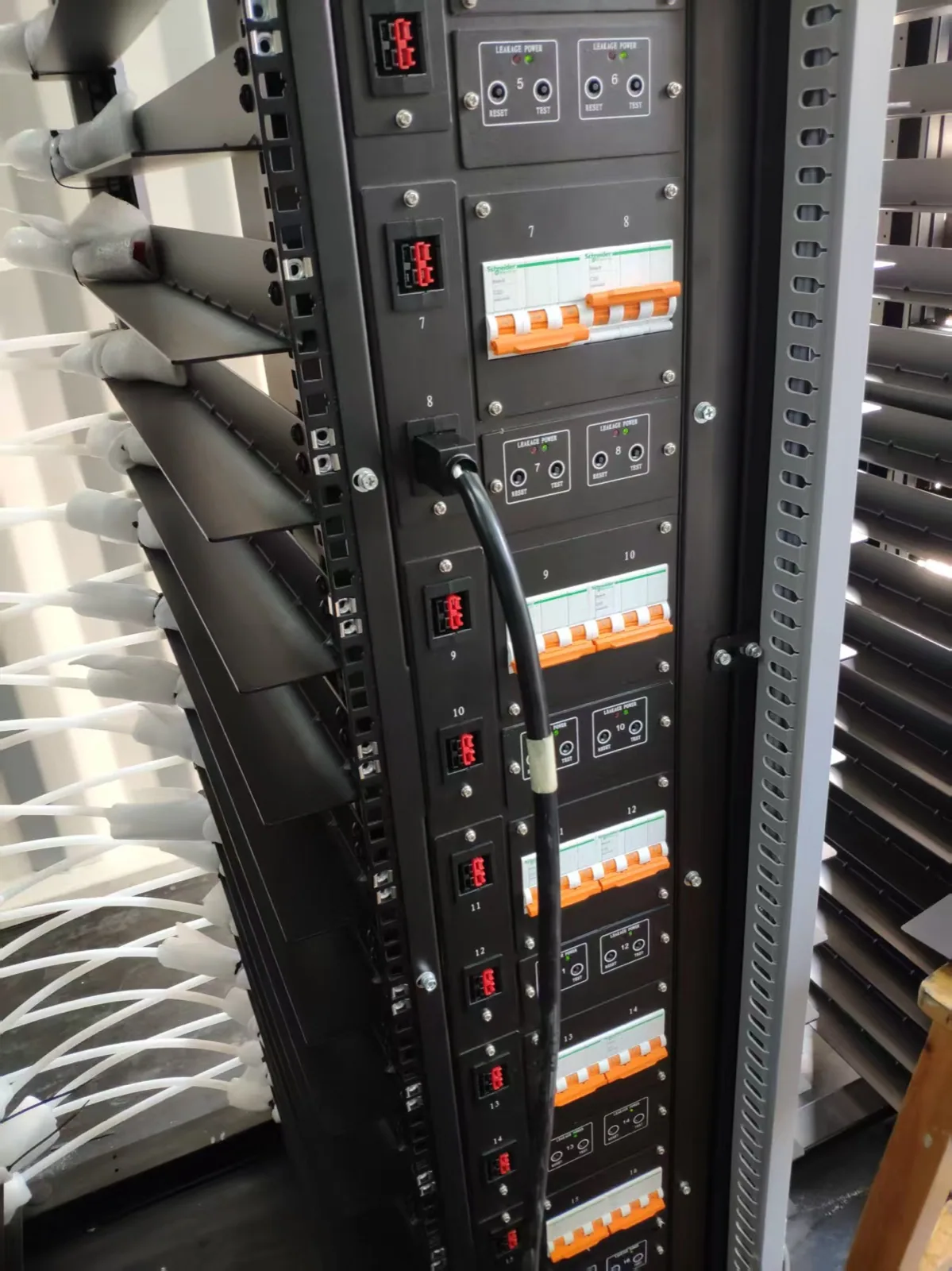
A switched PDU adds remote on/off control of each outlet. From the web interface you can power-cycle a hung server, stage sequential start-up to avoid inrush, or lock out unused outlets. Switched-with-metering units combine both capabilities.
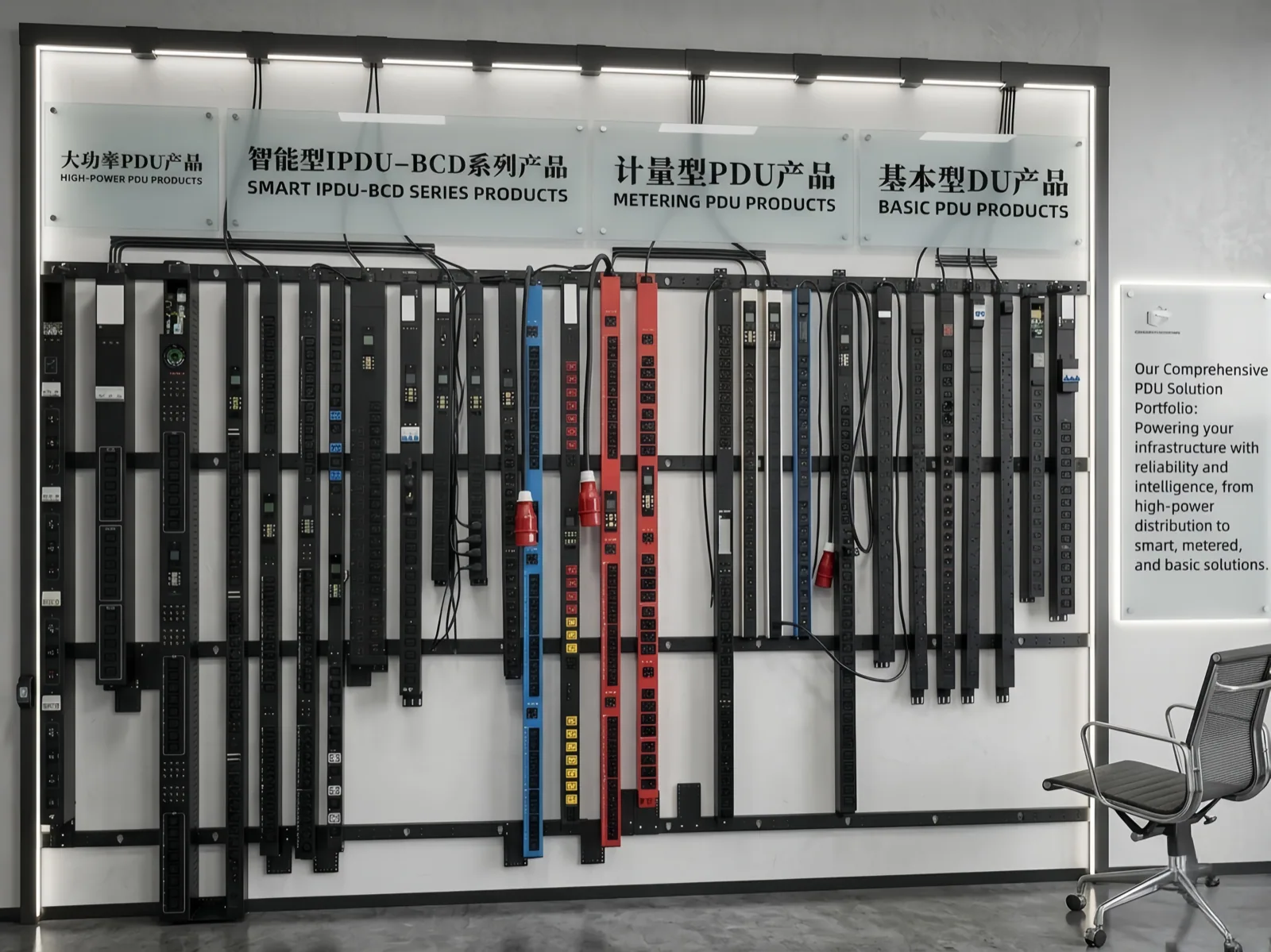
Yiestar iPDU series at a glance
- Type A — total-circuit metering only
- Type B — per-outlet metering + per-outlet control
- Type C — per-outlet control only
- Type D — per-outlet metering only
Which should you choose?
Choose monitored if your priority is visibility, billing or carbon reporting. Choose switched if you run lights-out or remote sites where the ability to reboot equipment without a truck roll is worth the premium. Many operators standardize on switched-with-metering for maximum flexibility.